
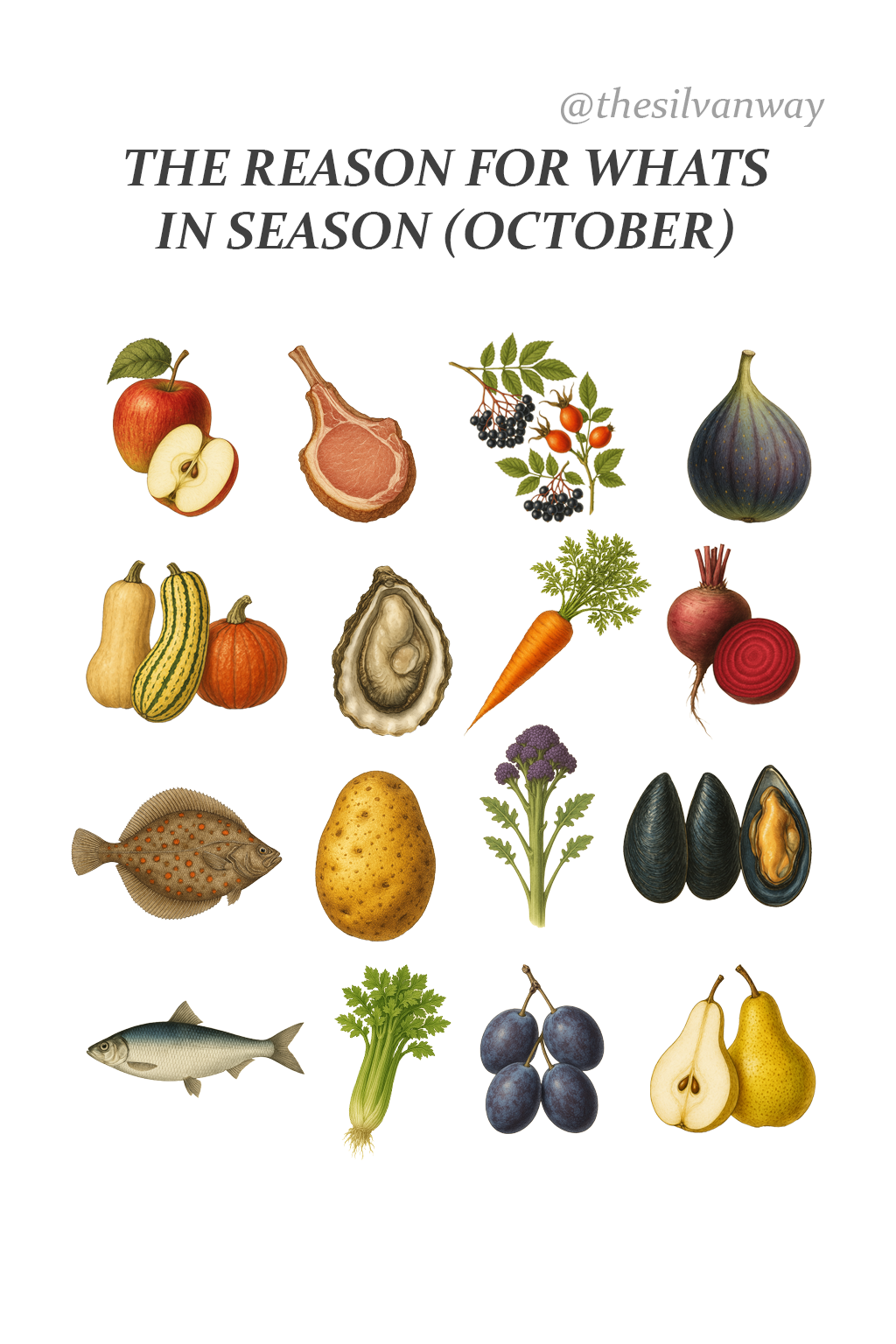
October arrives softly—mornings edged with mist, afternoons steeped in amber light. The pace of life begins to slow, and with it comes a quiet return to the rhythm of the harvest. Markets brim with the deep hues of the season—burnished squashes, knobbled roots, crisp apples, and late figs—each one a reminder of nature’s quiet generosity before winter’s rest.
To eat seasonally now is to align ourselves with that rhythm—to find beauty in simplicity, nourishment in what’s close at hand, and pleasure in the grounded rituals of cooking. A pot simmering on the stove, the scent of roasted vegetables, a loaf cooling beside the window: these are the quiet luxuries of October.
This month, the table becomes a reflection of the earth’s turning—honest, rooted, and deeply satisfying. Here is a look at what’s in season, and how to bring October’s gentle abundance into your kitchen.
Why eat seasonally?
- Fresher food means more nutrients
- Fewer chemicals and preservatives
- Natural support for your bodies needs
- Better digestion and immune system support
- Encourages mindful eating
- Supports a diverse and balanced die
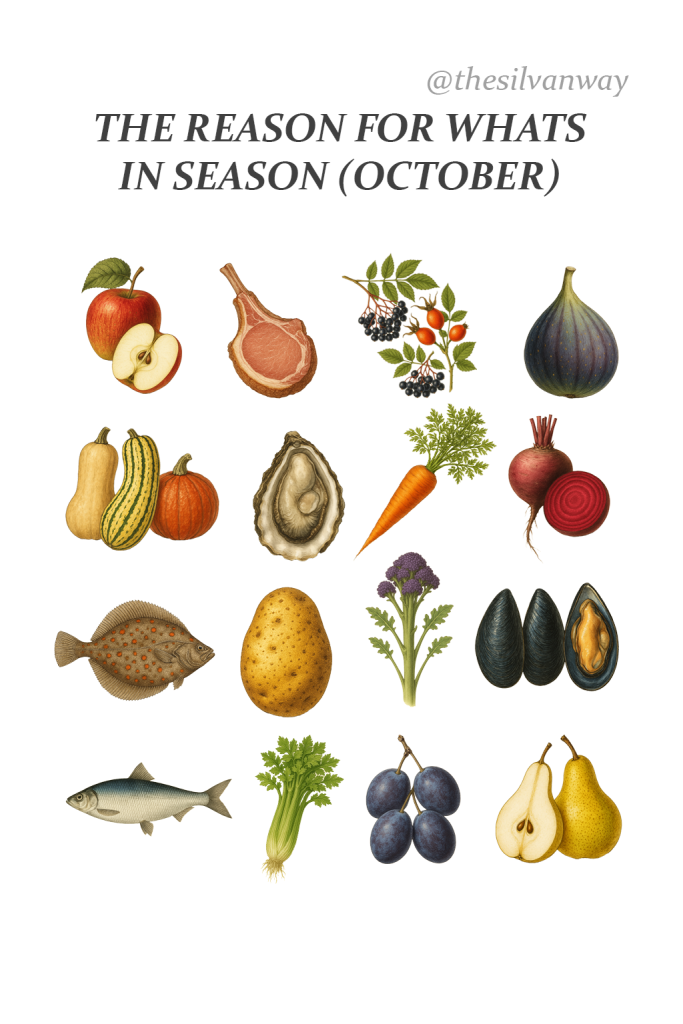
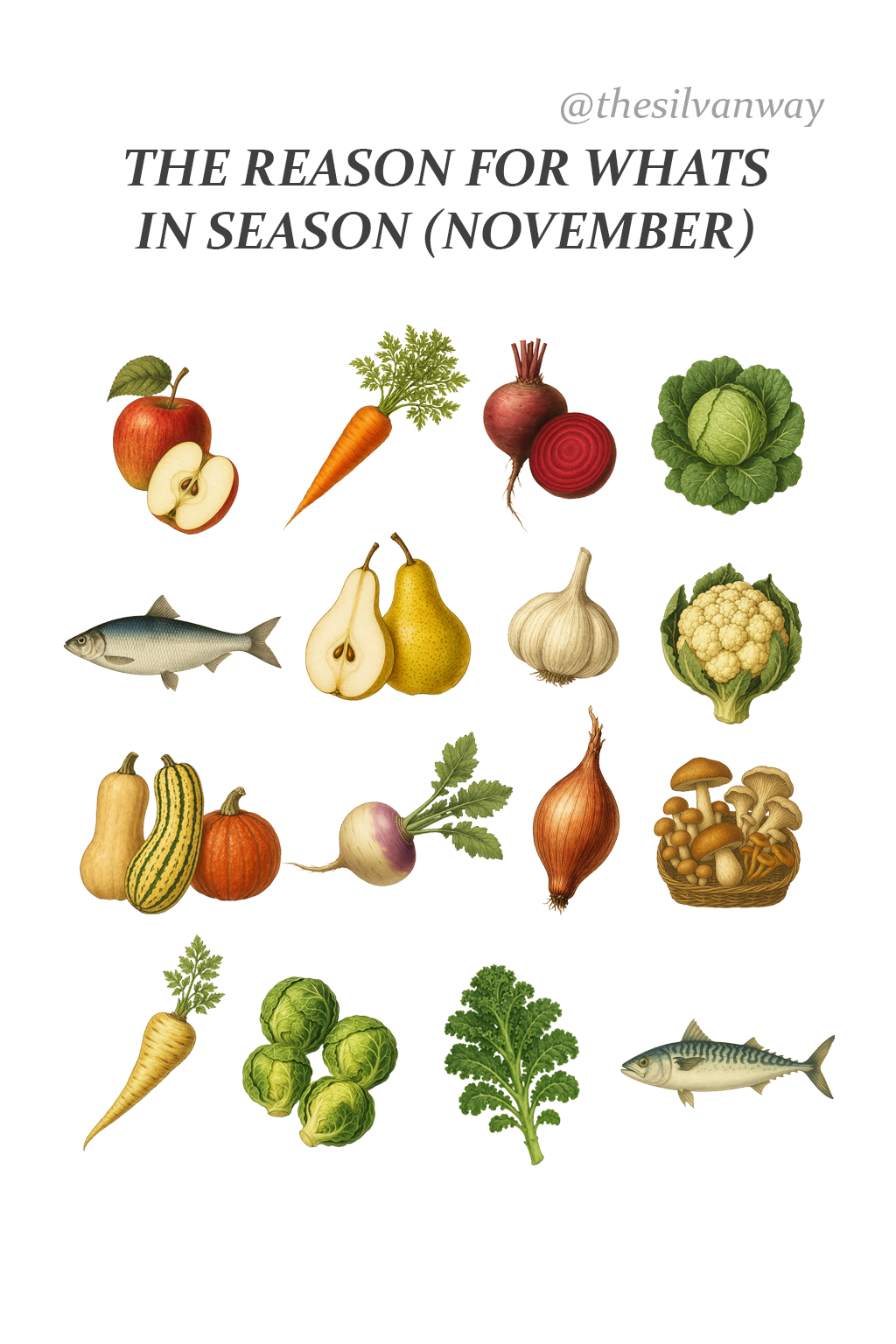
The reason for what’s in season
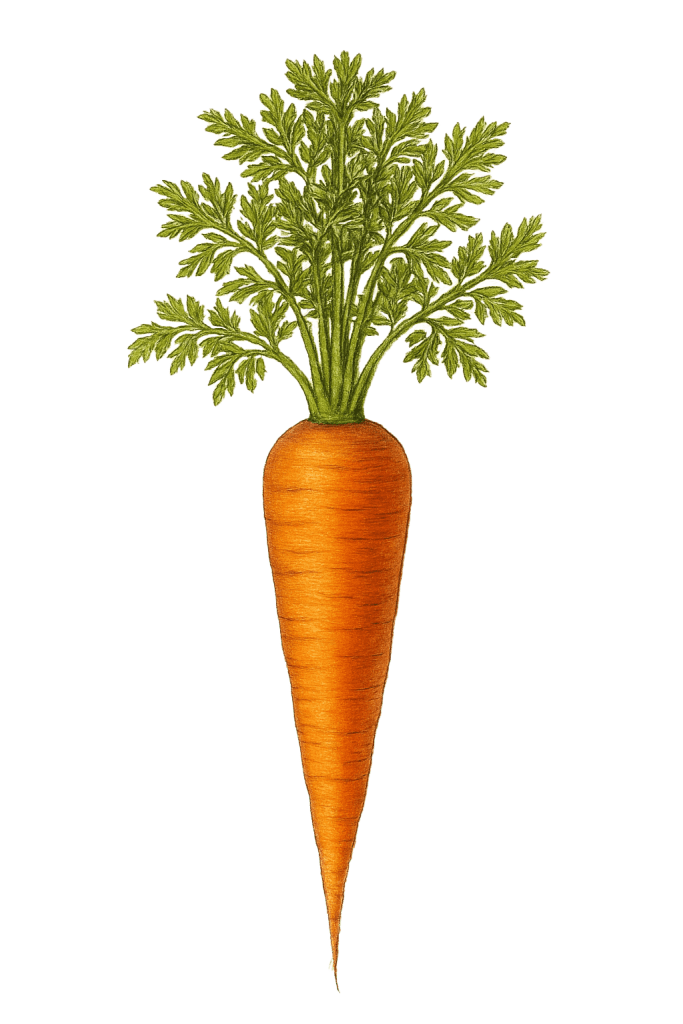
Carrots – High vitamin A from beta-carotene along with other nutrients aid eye and skin health.
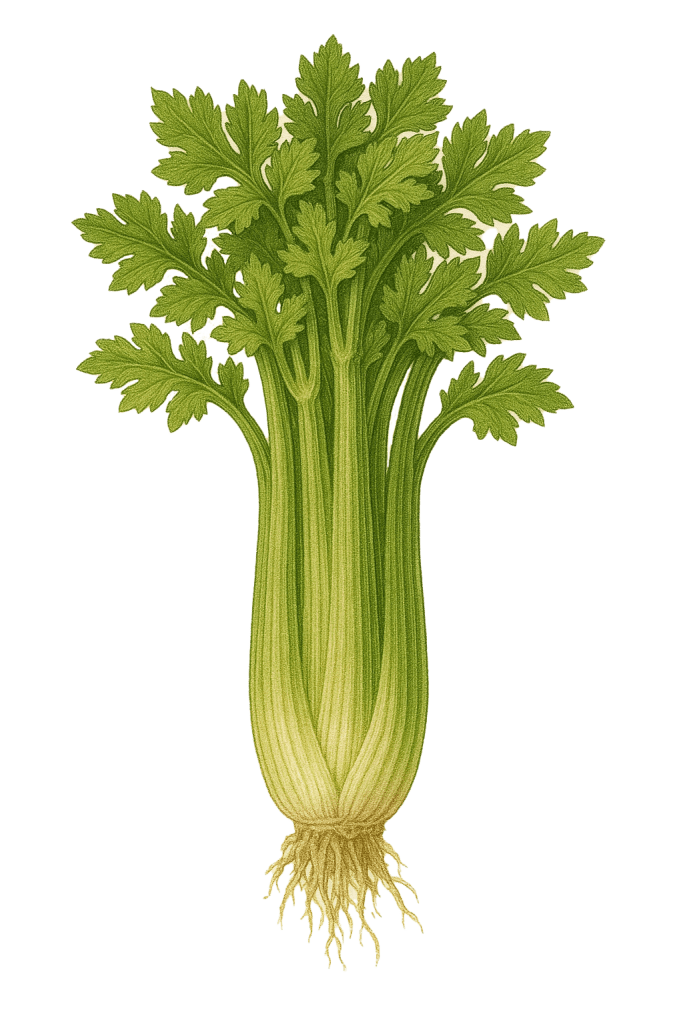
Celery – Anti-inflammatory properties, useful for fighting colds in colder months
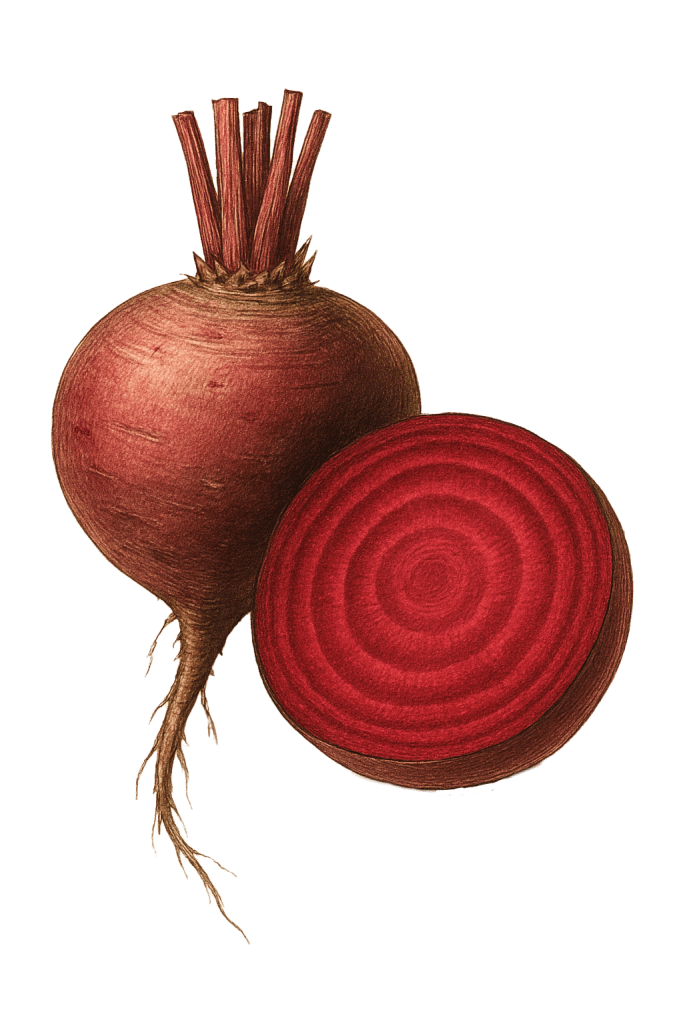
Beetroot – Dietary nitrates that convert into nitric-oxide improve blood flow, keeping your body warm easier
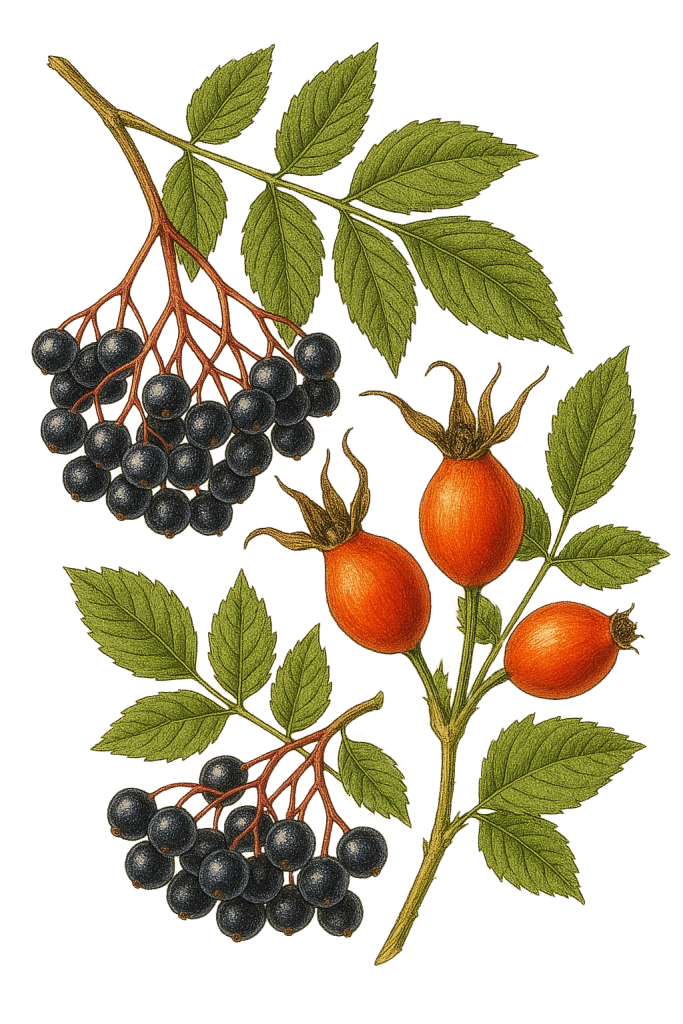
Elderberries – High in Vitamin C and antioxidants, helps soothe existing cold and flu symptoms
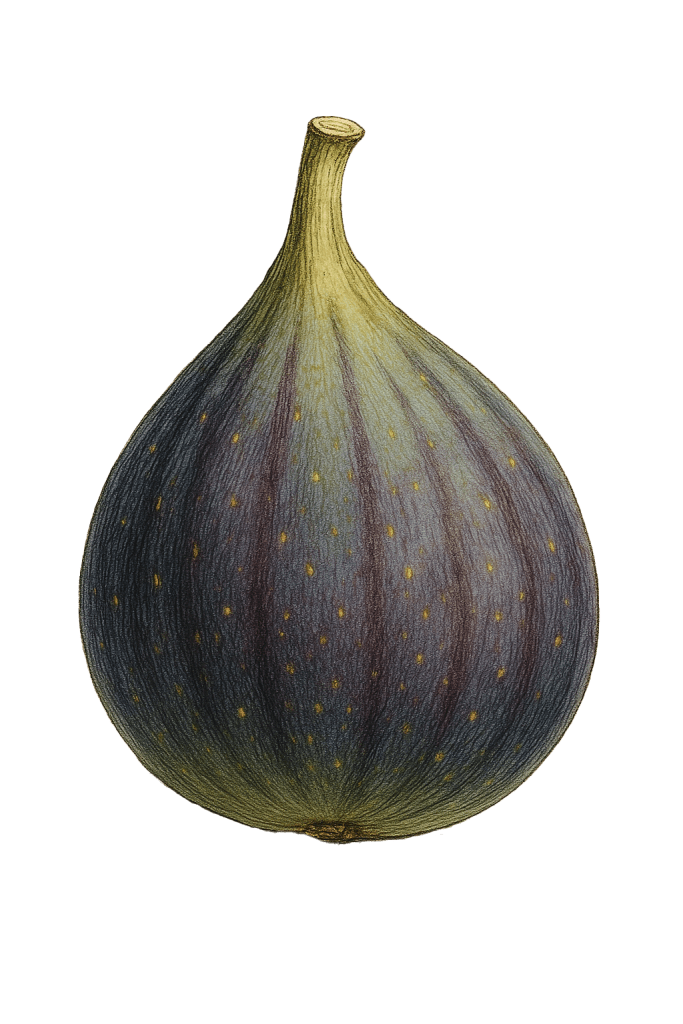
Figs – High fiber content maintains digestive health, preventing constipation, a common issue as seasons change
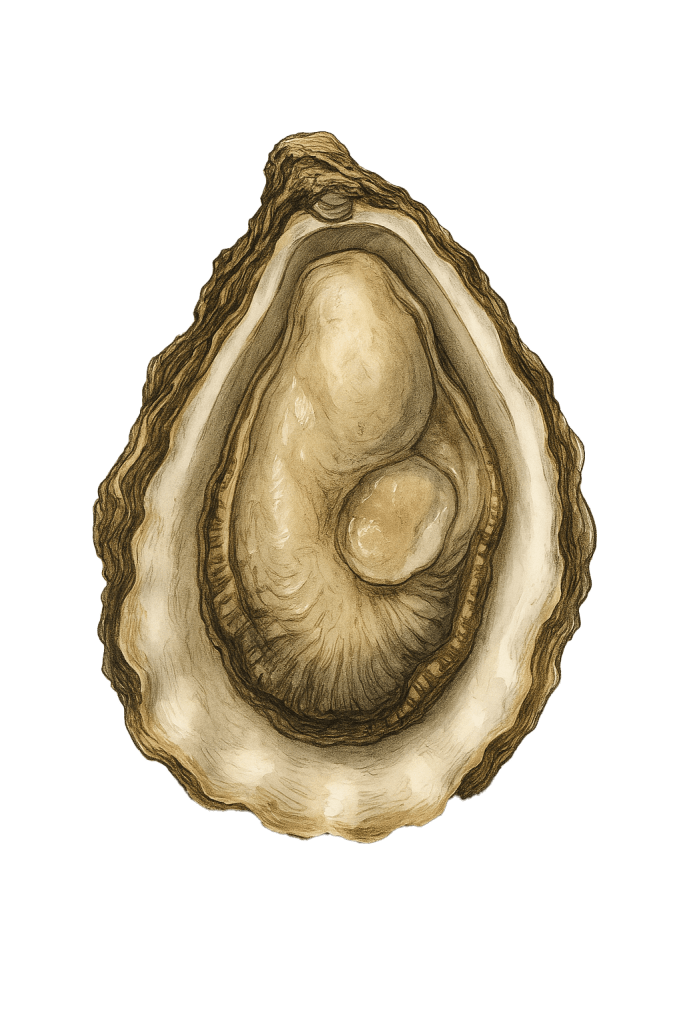
Oysters – Great seasonal source of omega-3 fatty acids, beneficial for heart health
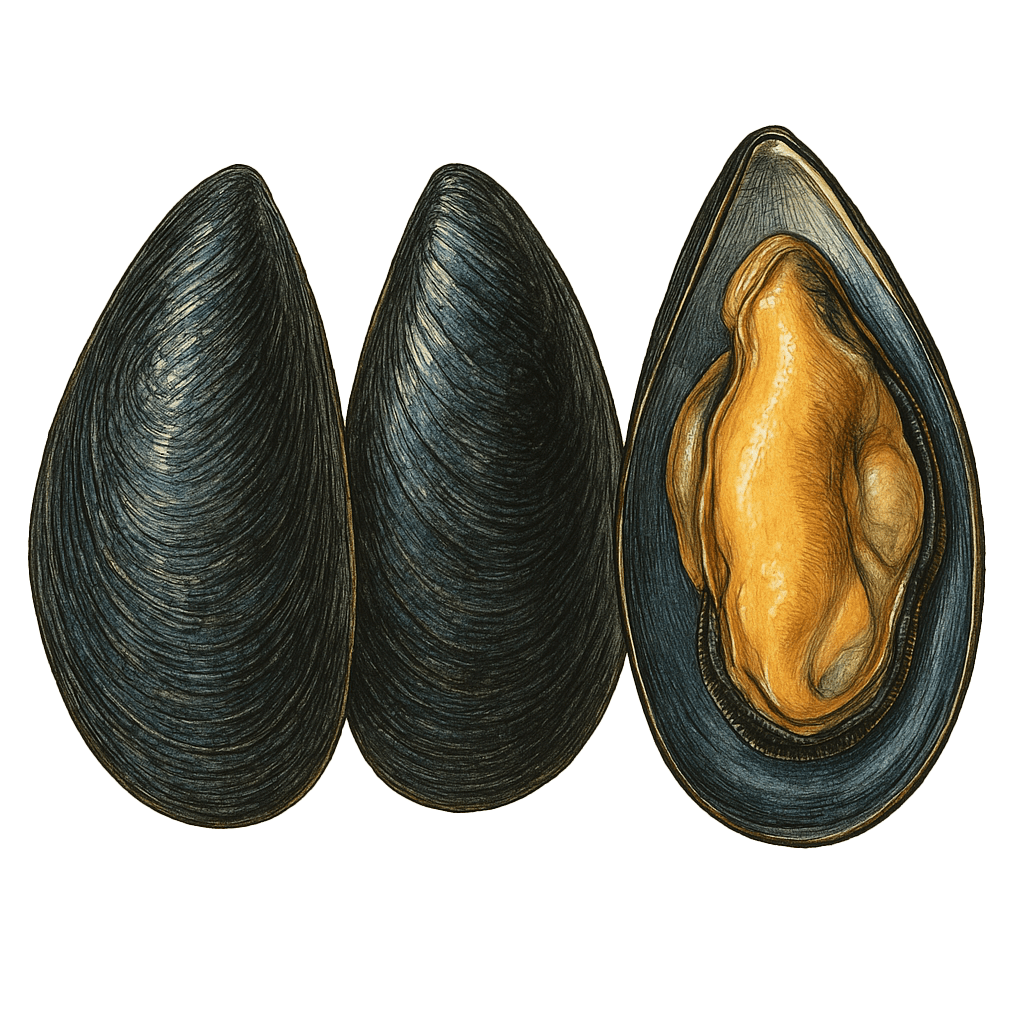
Mussels – Full of nutrients, can be eaten much more sustainably during winter
Sample meals
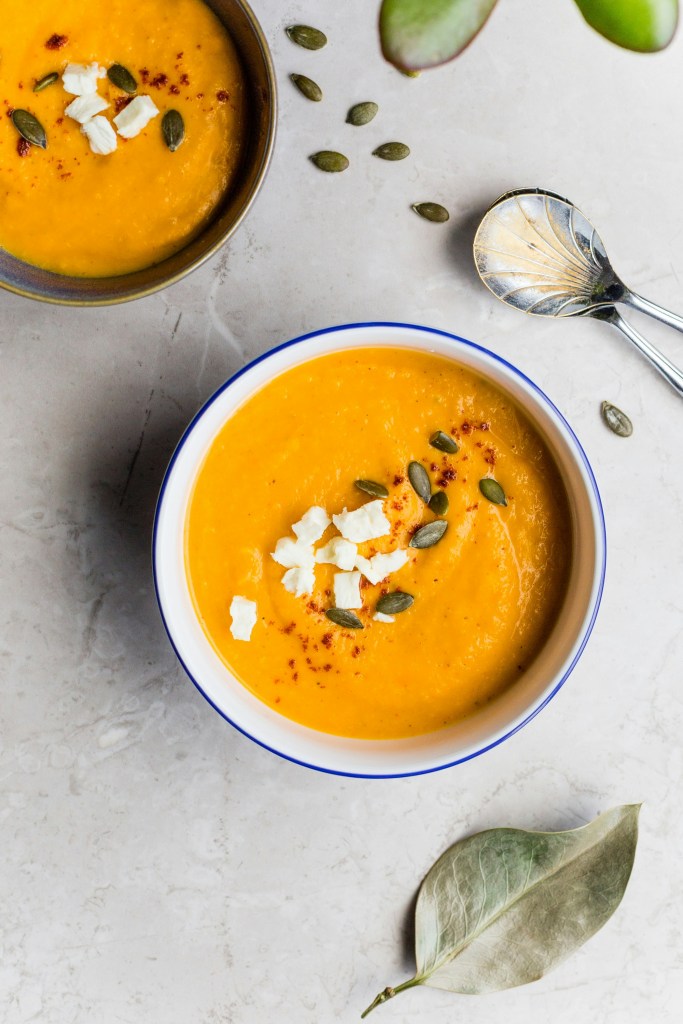
Carrot and Pumpkin Soup
- sweet pumpkin and carrot blended into a smooth, creamy soup.
- Add gentle spices: nutmeg and thyme, to add a depth that isn’t overpowering
- Top with Greek yogurt or feta and a sprinkle of toasted pumpkin seeds
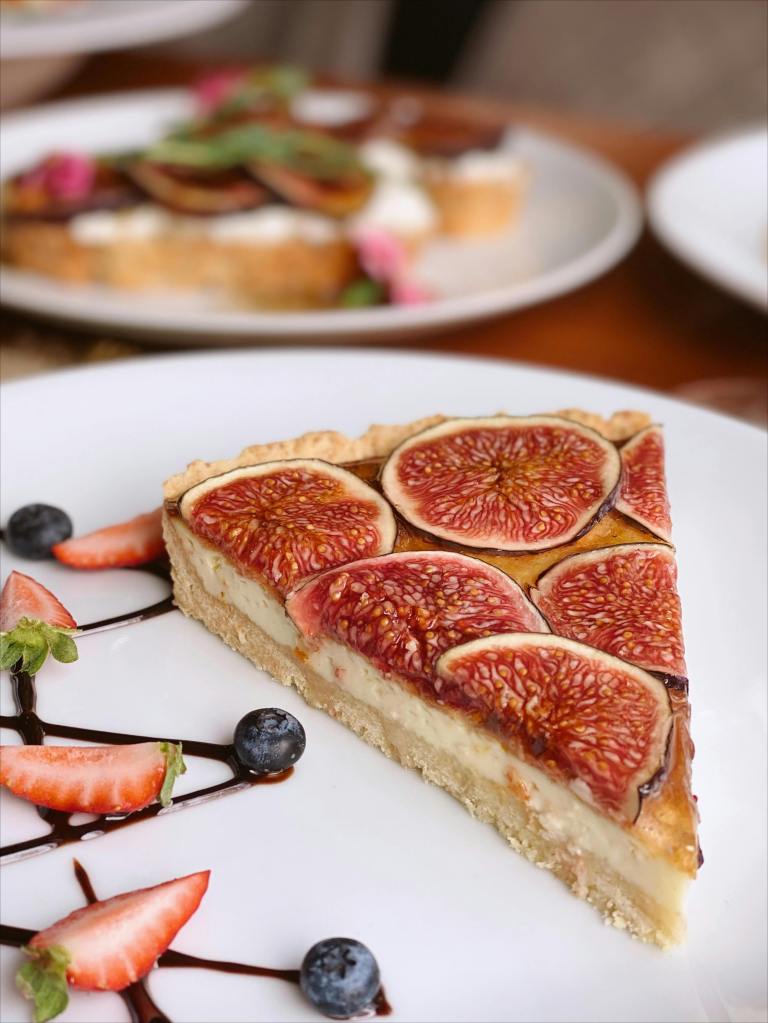
Fig, cheese and cooked ham tart –
- 1 sheet of all-butter puff pastry
- 1 egg, lightly beaten
- 6 fresh figs, halved
- 120g cooked ham, roughly torn (prosciutto, jambon de Bayonne, or good-quality roast ham)
- 100g soft goat’s cheese or ricotta
- 60g blue cheese, crumbled
- 1 tbsp honey
- A few sprigs of fresh thyme
- Freshly ground black pepper
- Optional: a drizzle of balsamic glaze to finish
Method
- Preheat the oven to 200°C (180°C fan). Line a baking tray with parchment.
- Prepare the pastry. Unroll the puff pastry onto the tray. Lightly score a 2cm border around the edge with a knife (without cutting all the way through). Brush the border with beaten egg.
- Assemble the filling. Gently spread the soft cheese (goat’s or ricotta) within the border. Scatter the torn ham over the surface, then arrange the halved figs on top, cut-side up. Nestle in the crumbled blue cheese.
- Season & drizzle. Sprinkle with thyme, a twist of black pepper, and a light drizzle of honey.
- Bake for 20–25 minutes, until the pastry is puffed and golden, the cheese melted, and the figs beginning to caramelise.
- Serve warm, with a handful of peppery rocket , drizzle with a touch of balsamic glaze if you like a deeper sweetness.
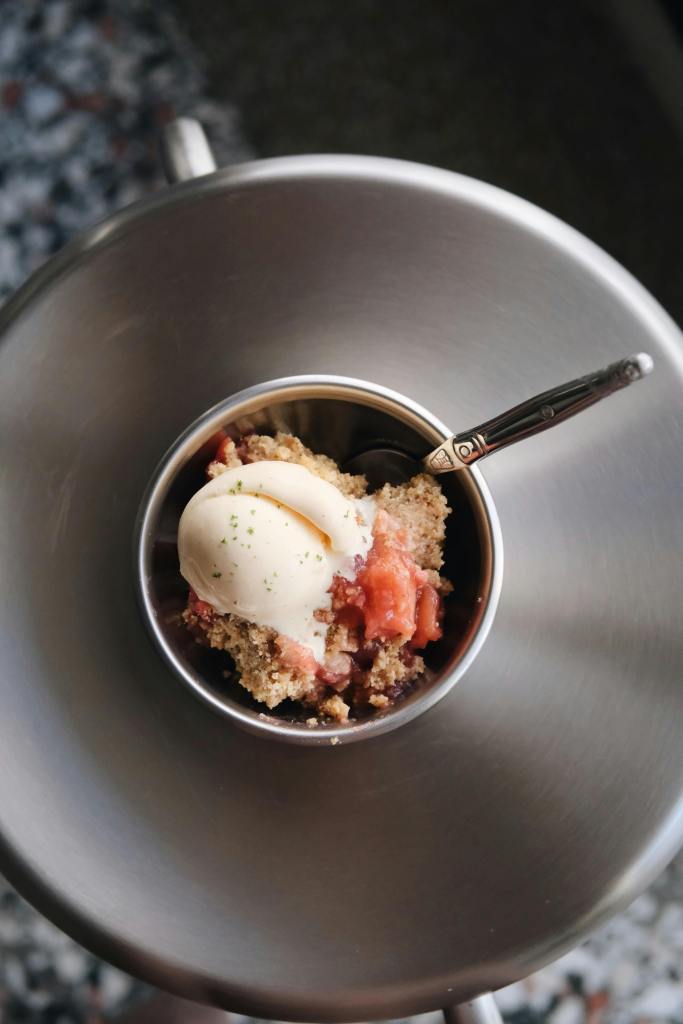
Apple, pear, and damson crumble –
- 3 medium apples and pears peeled, cored, and sliced
- 200g damsons, halved and pitted
- 60g soft brown sugar, 80g demerara sugar
- ½ tsp ground ginger, 1 tsp ground cinnamon
- Juice of ½ a lemon
- 100g unsalted butter
- 150g plain flour, 100g rolled oats
- A pinch of sea salt
- Optional: a handful of chopped hazelnuts or flaked almonds for texture
Method
Preheat the oven to 180°C (160°C fan). Lightly butter a medium baking dish.
Prepare the fruit. In a large pan, melt the butter over a gentle heat. Add the apples, pears, and sugar, stirring until the fruit begins to soften slightly—about 5 minutes. Add the damsons, cinnamon, ginger, and lemon juice. Cook for another 3–4 minutes, until the damsons start to release their rich purple juices.
Make the crumble. In a bowl, combine the flour and butter. Rub together with your fingertips until the mixture resembles coarse breadcrumbs. Stir in the oats, sugar, and salt (and nuts, if using).
Assemble. Spoon the warm fruit mixture into the prepared dish and scatter the crumble evenly over the top, leaving some texture and peaks to crisp in the oven.
Bake for 30–35 minutes, until golden and bubbling at the edges.
October is the perfect month to slow down in the kitchen and lean into the season’s natural abundance. Visit your local market, fill your basket with knobbly squashes, crisp apples, and earthy mushrooms, and let them guide your cooking. A simple roast, a pot of soup, or a fruit crumble can be enough to anchor a weeknight meal. Eating seasonally isn’t about rules—it’s about connection: to the land, to the rhythm of the year, and to the quiet pleasure of nourishing yourself well as the days draw in.
Thanks for reading.



 The Silvan way
Leave a comment