
There’s a shift you can feel before you name it—the days grow longer, the air softer, and suddenly, meals begin to look and feel different. Summer doesn’t just change the weather; it changes our appetite, our rhythms, our relationship to food and time. The stove is used less, windows stay open for longer. Fruit disappears from the counter almost as fast as it is brought home
The outdoors becomes an extension of home—our dining room, our playroom, our sanctuary. Mornings might begin with coffee in the garden, afternoons with children eating fruit on the porch steps, and dinners gathered around a weathered table as the sun lingers above the trees. This is how we nourish ourselves in the warm season—gently, intentionally, and always with a touch of joy.

Why eat seasonally?
especially when we have access to everything we crave year round…
- Fresher food means more nutrients – when out of season food makes its way to your shelves it is very likely there due to factors such as transportation, early harvest or use of chemicals and preservatives, our next point…
- Fewer chemicals and preservatives – certain chemicals and preservatives are allowed to be used by food manufactures by either spraying over crops or directly adding to the food. Locally grown produce which isn’t grown artificially should not need these interventions.
- Natural support for your bodies needs – Hydrating fruits, lighter foods can help support digestion and energy release during hot weather.
- Better digestion and immune system support – A much easier way to get the right nutrients, eating seasonally. Seasonal food contains nutrients that your body needs, at the time it needs it most during the year.
- Encourages mindful eating – Becoming aware of what is being put on your plate can create mindfulness, helping reduce stress and emotional eating.
- Supports a diverse and balanced diet – Rotating with the seasons naturally introduces a wider variety of foods, diet diversity supports gut health and immune resilience. In-fact consuming the same foods over and over increases your chances of developing certain food sensitivities which doesn’t help your gut microbiome.
Seasonal nourishment becomes an act of self-trust—and self-respect. And in turn, it teaches our children that health is not about about restriction or control, but observation and care.
The rhythm of a kitchen in summer
The goal isn’t to cook less out of laziness—it’s to honor the season. The abundance of summer is in the ingredients, not the effort. When food is fresh, it needs very little to shine. Evenings are slower, and often shared outdoors. We might eat later than usual, and linger longer than planned. The kids run barefoot between bites, someone pulls up a second chair, and the line between kitchen and garden disappears. These meals, simple as they are, feel like celebrations.
Sample meals
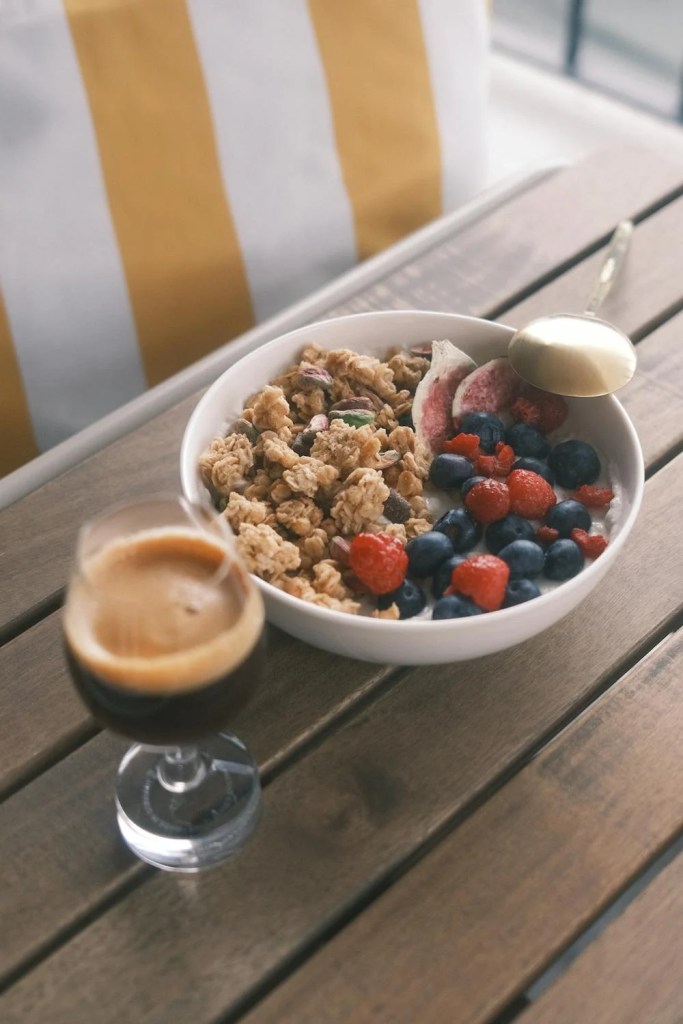
Greek Yogurt and Granola – Nutty Granola, Greek yogurt, fresh fruit, local honey and chia seed
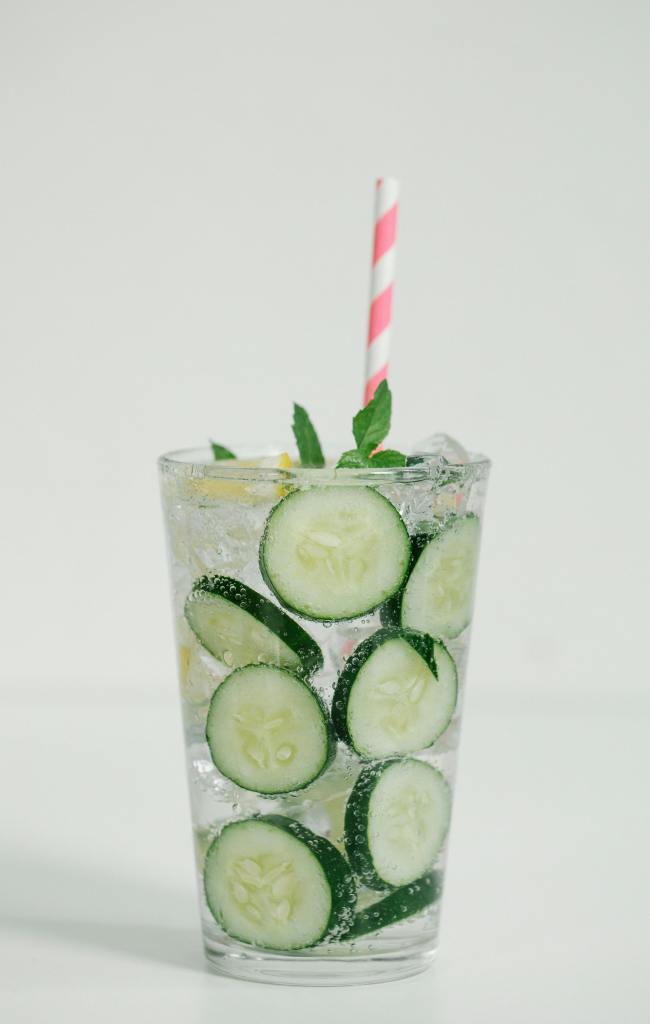
Summer Infused Water – Can be made with near enough any combination of fresh fruit, vegetables, and herbs. Remember to remove all items from the water after 24 hours, The infused water will be good to drink for up to 3-4 days. Here are some of my favorites for summer:
- Mango, Raspberry, and Ginger
- Strawberry and fresh basil leaves
- Strawberry, Lemon, and Mint
- Apricot, Raspberry, and Mint
- Lime, Blueberry, Blackberry, Raspberry
- Ginger, Lemon, Cucumber, Mint
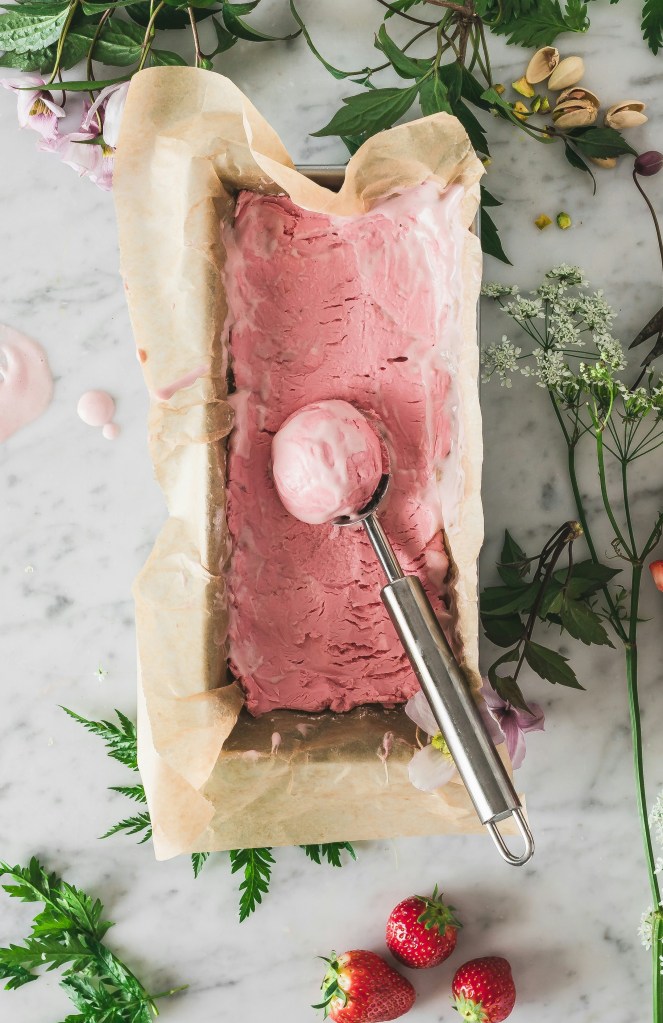
Easy Vanilla, Strawberry and Raspberry ice cream – 900g Vanilla ice cream,
120g Strawberries, 100g frozen raspberries, 1/2 lemon (juiced).
- Start by lining a loaf tin with parchment paper
- Blend 60g strawberries with the lemon juice until smooth to create a puree, chop the remaining strawberries into small pieces.
- combine half (450g) of the ice cream with the puree and the chopped strawberries in a mixing bowl until a pale pink colour.
- Pour the strawberry mix into the lined loaf tin and freeze
- In a separate mixing bowl combine the other half of the ice cream with frozen raspberries
- Add the raspberry ice cream on top of the strawberry layer in the loaf tin, spread evenly and freeze until both layers are set.
- Best served using a hot knife to create slices.
Peach Pizza – pizza dough (280g per pizza), 2 peaches (sliced, 1cm slices), prosciutto, grated mozzarella, burrata, wild rocket, chilli oil, balsamic glaze, 1 tbsp chilli flakes, 1 tbsp dried oregano
- Start with your pizza dough (https://www.jamieoliver.com/recipes/bread/pizza-dough/), I think this recipe by Jamie Oliver is one of the best but there are plenty of recipes online!
- Stretch your pizza dough to desired size and drizzle chilli oil over your dough
- Add chilli flakes and dried oregano on to the dough
- Add a generous amount of shredded mozzarella and layer prosciutto on top
- Next, grill your sliced peaches in a pan on medium heat with olive oil, drizzle a tablespoon of honey whilst they are grilling for extra sweetness. Turn peaches regularly
- As soon as the peaches are in the pan, start cooking your pizza, regular oven (10-15 mins at 220°C / 460°F , or pizza oven (90 – 120 seconds).
- When the pizza has finished cooking, finish by assembling with the grilled peaches, scattered pieces of burrata, wild rocket, and drizzle of balsamic glaze for a rounding sweetness. Add flaky salt to taste
Family at the table
The kids wash berries, tear basil, arrange platters. They learn through touch, taste, and time spent beside us. Even the smallest hands can help stir, pour, or pass the salt. These acts, though simple, give them a sense of ownership and belonging—and remind us that food is about connection, not perfection.
Setting the table becomes a quiet ritual—one the children love just as much as the cooking. They pick the wildflowers, place the napkins, count out the forks. Sometimes they bring out bowls that don’t match, or place cups at the wrong end. We don’t correct—we let them lead. It’s not about getting it right. It’s about creating a table that feels lived in and loved.
When we involve our children in the rituals of summer nourishment, we’re not just feeding them—we’re teaching them. That meals can be joyful. That food grows from somewhere. That slowing down to enjoy a meal, or even to prepare it together, is a kind of love.
This is what seasonal living gives us. Not just simpler meals, but a deeper connection to the everyday. A sense that we are, together, in rhythm with the world in some strange way.
Try this week
A few small ways to welcome seasonal rhythm into your home:
- Create a summer fruit bowl — Place it where little hands can reach. Let it be a self-serve moment of joy.
- Invite your children to set the table — Mismatched napkins, backyard flowers, or whatever feels special to them.
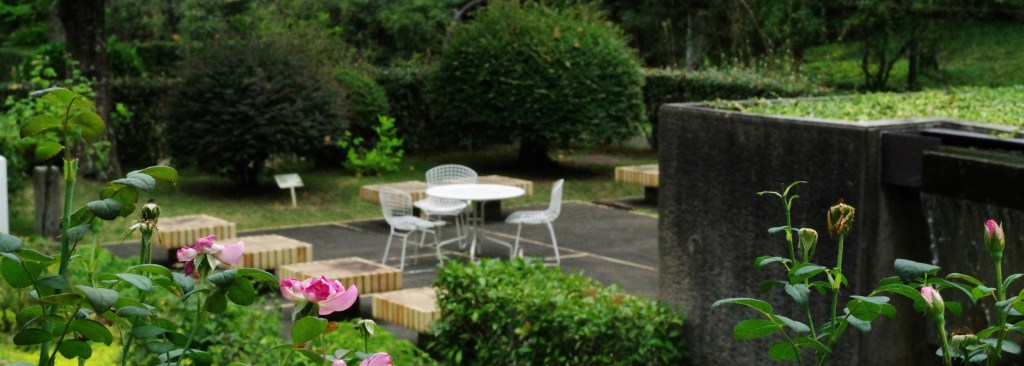
- Eat one meal outdoors — Even if it’s just breakfast. Fresh air changes everything.
- Simplify one dinner — Skip the oven. Use what’s fresh. Let go of perfection.
- Start a summer kitchen basket — Keep cloth napkins, picnic utensils, and a favorite serving plate ready to grab and go.
These moments don’t have to be big to be meaningful. Start small, stay present, and let summer do the rest.
Thanks for reading. If you try any of these ideas, I’d love to hear how they feel in your home.


 The Silvan way
Leave a reply to Benefits of Eating Seasonal Foods in November – The Silvan way Cancel reply