
Over the past few weeks, I’ve been reading What Doesn’t Kill Us by Scott Carney — a book that explores how reconnecting with natural stressors like cold, heat, altitude, and breathwork can transform the human body and mind. It’s not just another wellness read; it’s a reminder that our bodies were designed for resilience — not perpetual comfort.
Carney’s journey into the world of cold exposure, particularly through Wim Hof’s methods, sparked something in me. Not the desire to climb frozen mountains barefoot (yet), but a curiosity: Have we become too comfortable for our own good? And if so, what happens when we reintroduce a bit of nature’s rawness back into our daily lives?
That thought kept turning over in my mind — especially now, in November. The air is sharper, the mornings quieter, and something about this month feels like an invitation to step outside the warm routine.
So, I decided to dive deeper into the science, ritual, and real-life practice of cold plunging in cold weather. And more specifically:
Is November actually the best time to start?
Let’s find out.
Science Behind Cold + November
| Cold Effect | What It Does |
|---|---|
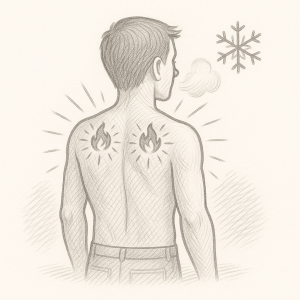
| Brown fat activation | Converts fat into heat → burns calories |
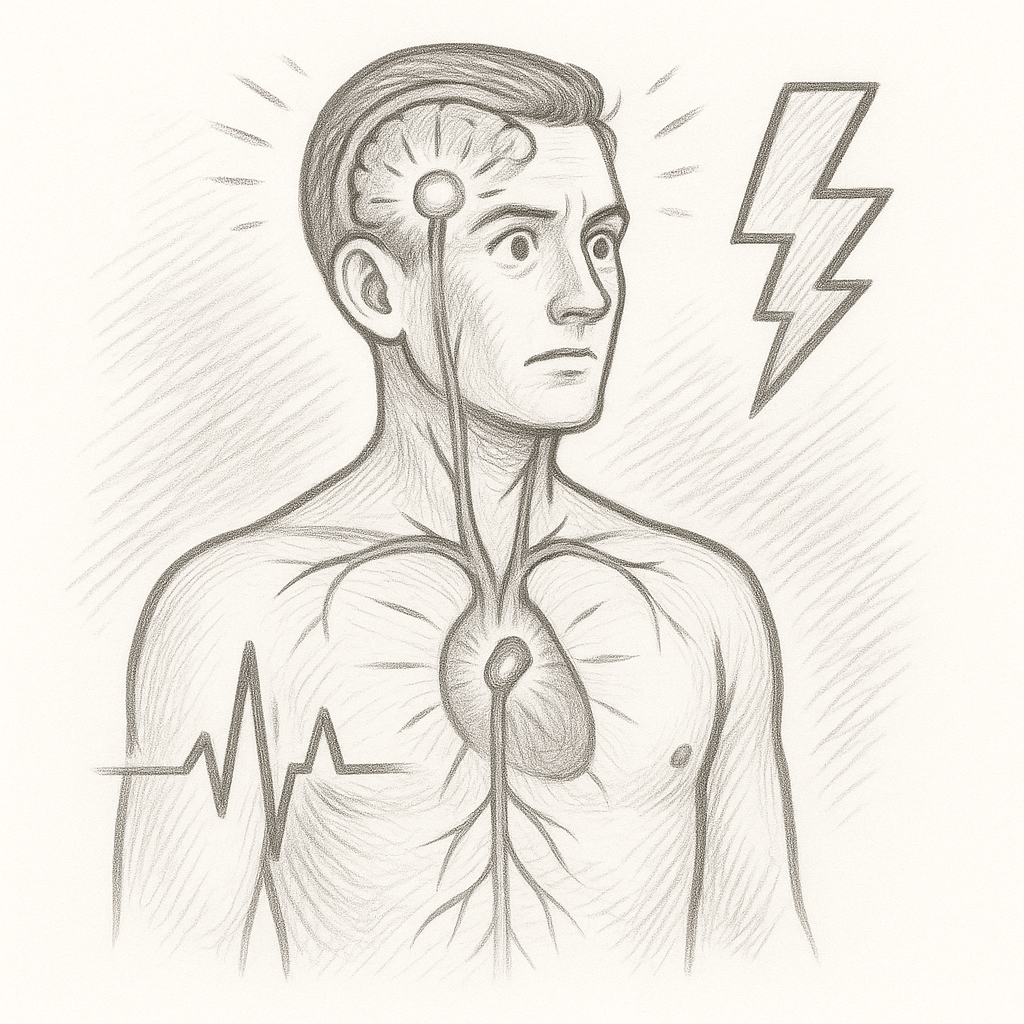
| Dopamine spike | Up to 250% mood elevation for hours |
| Norepinephrine release | Reduces inflammation + sharpens focus |

Why November May Actually Be the Best Time to Start
Natural Temperature Drop: Water and outdoor air are cold enough to feel “authentic,” but not the brutal depths of January.
Build Tolerance Before Winter Peaks: Start now and by Christmas/New Year, your body will already be adapted.
Mental Reset Before Holiday Season: A grounding habit before the busiest, most indulgent time of the year.
Seasonal Rhythm: Nature is slowing down — cold plunging feels like aligning with the season rather than pushing against it.
How to Start Cold Plunging in November (Beginner-Friendly Guide)
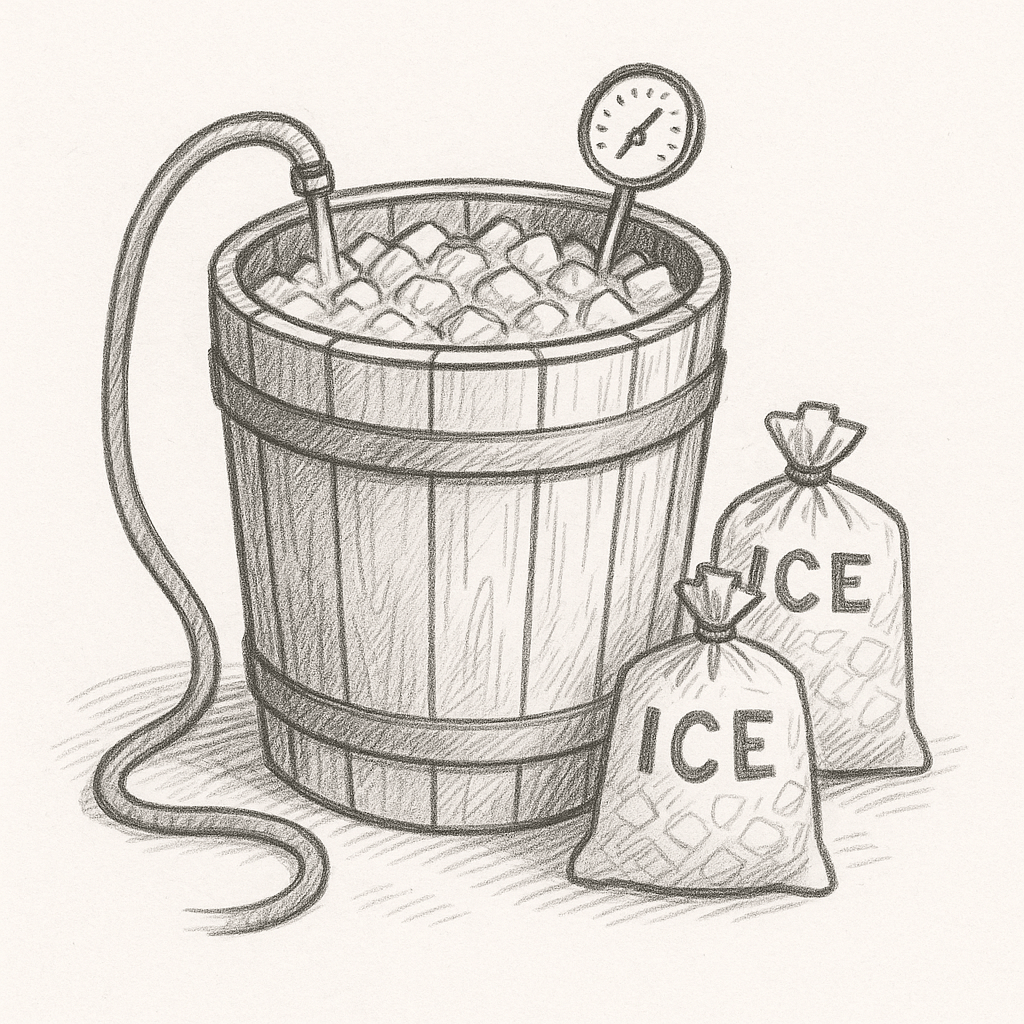
1. Start indoors (if needed) — Cold showers or cool baths.
2. Progress to outdoor cold dips in natural water or tub.
3. Begin with 15–30 seconds and increase gradually up to 2–3 minutes.
Breathing is everything:
- Inhale through the nose, long exhale through the mouth.
- Avoid hyperventilation or holding the breath during submersion.
What you’ll need:
- Warm hat, towel, loose clothing, thermos with tea or broth.
- Timer or intuitive breathing count (e.g., 20 slow breaths).
- Choice of good music, anything to hype me up before going outside is my go to at the moment.
Where to do it:
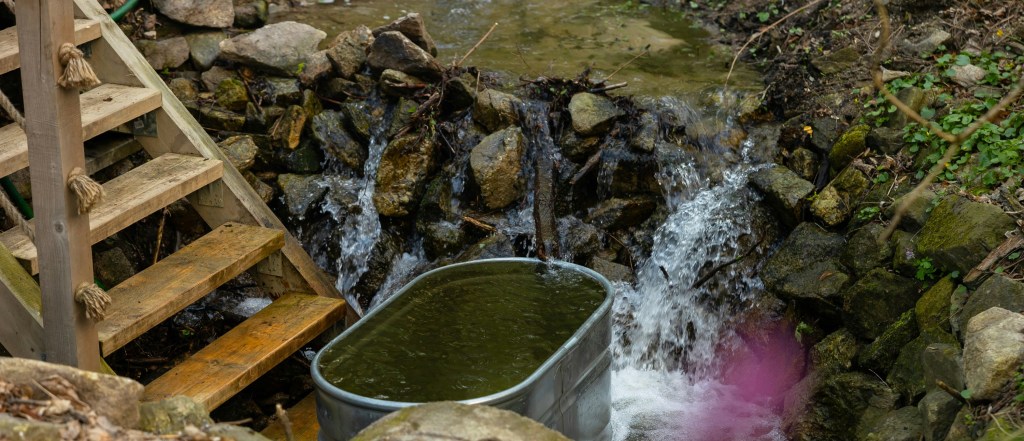
- Backyard tub or barrel.
- Natural bodies of water (lake, river, sea) — safety first, never alone.
- DIY setup: old livestock trough + hosepipe 🙂
Post-Plunge Ritual: Warm, Not Hot:
- Natural rewarming: walking, breathing, light movement.
- Avoid jumping straight into a scorching shower (can stress blood vessels).
- The alternative which i’m sure some of you are thinking about is the so called ‘contrast therapy’ which combines cold exposure with sauna for extra benefits. I have added a link to a great clip from the Huberman podcast in which Dr. Susanna Søberg explains the sufficient timings needed for positive changes using both cold and heat exposure.
Final Thoughts
Cold plunging in this season isn’t about pushing yourself to extremes; it’s about finding a small moment of challenge that clears your head and brings you back into your body.
Starting now, before the deep winter sets in, is a chance to build a habit that grounds you through the darker months. It’s less about toughness and more about connection with yourself, with the season, with the reminder that we were made to handle a little cold.

 The Silvan way
Leave a comment